Designing Connection: The Role of Vector Illustrations in Family Board Game Content
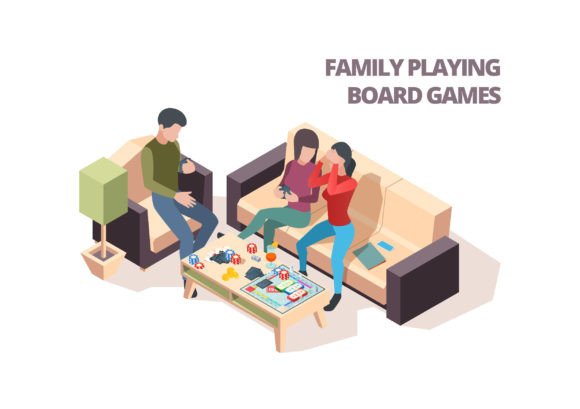
In an era dominated by high-definition screens and fleeting digital interactions, the imagery associated with Family Playing Board Game activities carries a unique weight. It represents more than just entertainment; it symbolizes connection, tactile engagement, and shared leisure time. For content creators, marketers, and designers working within the lifestyle, gaming, or educational sectors, capturing this essence requires specific visual assets. This is where the utility of specialized vector resources becomes apparent. When you utilize a comprehensive asset pack featuring isometric views of happy people engaging with cards, Monopoly-style boards, and chess sets, you are not merely decorating a page. You are visually articulating the value of offline togetherness in a modern digital workflow.
The Strategic Advantage of Isometric Vector Art
Why does the isometric style resonate so deeply when depicting a family playing board game? Unlike flat 2D illustrations that can sometimes feel sterile, or hyper-realistic 3D renders that may appear too commercial or staged, isometric vector art occupies a perfect middle ground. It offers depth and dimension while retaining the clean, scalable lines of vector graphics. This perspective mimics the actual viewpoint of players sitting around a table, creating an immediate psychological familiarity for the viewer.
From a technical design standpoint, vectors included in EPS formats provide unmatched flexibility. Whether you are designing a massive trade show banner for a tabletop convention or a small icon set for a mobile app promoting family nights, the artwork scales without pixelation. This scalability is crucial for modern responsive web design. A single illustration of a family gathered around a chess board can serve as a hero image on a desktop landing page and be repurposed as a thumbnail for a blog post about cognitive development, all while maintaining crisp edges and vibrant colors.
Visualizing Key Elements of Home Leisure
A high-quality illustration pack focused on this niche must include recognizable signifiers of the hobby. Generic depictions of "games" often fail to connect because they lack specific details that enthusiasts and families recognize. Effective assets break down the Family Playing Board Game experience into its constituent parts:
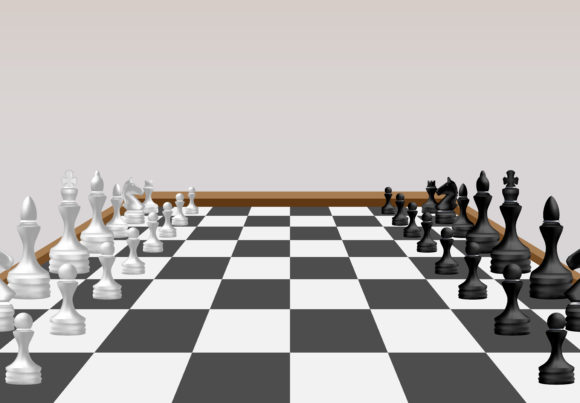
- Classic Components: Visuals featuring dice, pawns, cards, and distinct board grids trigger nostalgia. Even if the specific game isn't named due to trademark concerns, the aesthetic of a Monopoly-like board or a strategic chess setup communicates the genre instantly.
- Emotional Authenticity: The inclusion of "happy people" is standard, but the execution matters. Modern vector packs are moving away from stiff, corporate stock-photo aesthetics toward more natural, diverse representations of joy. Look for illustrations showing genuine interaction—pointing at the board, laughing, or deep in thought—rather than posed smiles directed at the camera.
- Environmental Context: Home leisure doesn't happen in a void. Isometric scenes that include living room furniture, snacks, or cozy lighting help contextualize the activity. This reinforces the idea that board games are a centerpiece of domestic comfort and safety.
Applications Across Industries and Projects
The demand for authentic family playing board game imagery extends far beyond game publishers. Understanding where these assets fit into broader workflows helps maximize their ROI.
Educational and Developmental Resources
Educators and child psychologists frequently recommend board games for developing critical thinking, patience, and social skills. Textbooks, parenting blogs, and e-learning platforms require visuals that support these narratives. An isometric illustration of a multi-generational family playing chess serves as a powerful visual anchor for articles discussing intergenerational bonding or cognitive maintenance in seniors. The vector format allows designers to isolate specific elements—like just the hands moving a piece—to create custom diagrams explaining game mechanics or developmental milestones.
Lifestyle Marketing and Event Promotion
Cafes, libraries, and community centers increasingly host game nights as social anchors. Promotional materials for these events need to convey warmth and inclusivity. Using editable EPS files allows marketing teams to adjust color palettes to match brand guidelines or seasonal themes. If a library is hosting a winter game night, the illustrator can easily shift the clothing on the vector characters to sweaters or add holiday elements to the table, ensuring the Family Playing Board Game visual remains relevant year-round without commissioning entirely new artwork.
User Interface and App Design
Digital companion apps for board games, scorekeepers, or rule databases rely heavily on thematic consistency. Isometric vectors translate exceptionally well to UI design. They can be used as empty states (e.g., "No games added yet"), loading animations, or achievement badges. Because vectors are code-friendly and lightweight compared to raster images, they contribute to faster load times and smoother user experiences, which is a critical factor in app retention.
Selecting the Right Asset Pack: Practical Considerations
Not all vector packs are created equal. When sourcing a ZIP folder containing EPS files for this specific topic, several practical factors should influence your decision. Prioritizing these qualities ensures the assets remain useful across multiple projects.
Layer Organization: This is perhaps the most critical technical feature. A well-organized EPS file separates characters, game components, backgrounds, and shadows onto distinct layers. If you need to change the skin tone of a character or swap a chess board for a card game surface, organized layers make this a five-minute task rather than a reconstruction project. Always preview the layer structure before purchasing or downloading.
Diversity and Representation: Modern audiences expect to see themselves reflected in leisure imagery. Ensure the pack includes families of various compositions, ethnicities, and ages. A Family Playing Board Game illustration that only depicts one demographic limits its applicability and can alienate segments of your audience. Versatile packs often include interchangeable heads, hair styles, or clothing options to customize representation.
Style Consistency: If you plan to use multiple illustrations across a website or publication, stylistic coherence is key. Check that the line weight, color saturation, and perspective angle remain consistent across all assets in the pack. Mixing two different isometric styles can make a design look disjointed and unprofessional.
Licensing Clarity: Understand the usage rights. Some packs allow for unlimited commercial use, while others restrict the number of impressions or prohibit use in merchandise. For agencies managing multiple clients, a broad commercial license is essential to avoid legal complications down the line.
Enhancing User Engagement Through Visual Storytelling
Ultimately, the goal of incorporating these illustrations is to enhance communication. When a user lands on a page about home leisure, the visual hierarchy guides their attention. A detailed isometric scene acts as a visual summary of the text content. It reduces cognitive load by showing rather than telling. Instead of reading three paragraphs about how board games foster communication, the user sees a father and daughter collaborating over a puzzle, instantly grasping the concept.
Furthermore, these visuals bridge the gap between digital content and analog experiences. In a world where SEO and content marketing often feel abstract and intangible, the depiction of physical objects—cards, boards, tokens—grounds the content in reality. It reminds the user that the ultimate goal of the article, product, or service is to facilitate real-world joy. By leveraging high-quality, editable vector assets, creators can produce content that is not only optimized for search engines but also genuinely helpful and resonant for human readers seeking connection.
The integration of Family Playing Board Game vectors into your creative toolkit is an investment in versatility. Whether illustrating a complex article on game theory, designing packaging for a new card game, or simply adding warmth to a corporate newsletter about work-life balance, these assets provide the visual vocabulary necessary to speak authentically about leisure. By focusing on technical quality, emotional resonance, and practical adaptability, you ensure that your visual content performs as effectively as your written word.