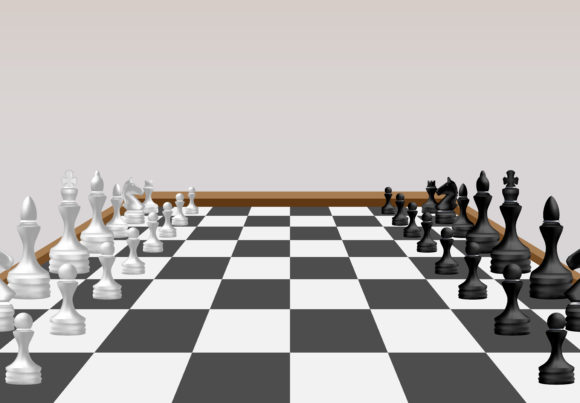
Chess Board Game Concept of Business Strategy
Viewing commerce through the lens of a chessboard transforms abstract market forces into tangible, strategic movements. The Chess Board Game Concept of Business is not merely a metaphor for war or domination; it is a structured framework for understanding resource allocation, positional advantage, and long-term planning. When entrepreneurs and professionals adopt this mindset, they stop reacting impulsively to daily chaos and start anticipating market shifts with calculated precision. This conceptual model bridges the gap between playful strategy and serious commercial execution, offering a visual and logical language for complex decision-making.
Decoding the Metaphor: Pieces as Business Assets
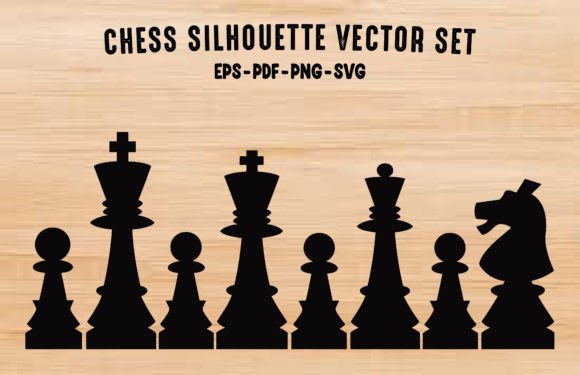
To effectively use this concept, one must first translate the physical components of the game into real-world business equivalents. A vector illustration of chess figures often serves as the perfect starting point for this mental mapping because it strips away unnecessary detail, leaving only function and form. Each piece represents a distinct type of organizational asset or capability that must be coordinated rather than used in isolation.
- The King: Represents the core mission, brand reputation, or founder’s vision. It is the most valuable asset but often the least mobile. Protecting the King means safeguarding the company's solvency and public trust above all else.
- The Queen: Symbolizes your primary revenue stream or star product. It has the greatest range and impact on the board, capable of dominating multiple sectors simultaneously. However, over-relying on the Queen can be dangerous if she becomes isolated from support.
- Rooks and Bishops: These are your infrastructure and specialized departments. Rooks represent logistics, supply chains, and operational stability, controlling open files (markets). Bishops represent niche expertise, legal counsel, or R&D, operating on specific diagonals that others cannot access.
- Knights: The innovators and disruptors. They move differently than everyone else, jumping over obstacles to reach unexpected positions. In business, these are creative campaigns, pivot strategies, or agile teams that bypass traditional barriers to entry.
- Pawns: Often misunderstood as expendable, pawns actually represent incremental progress, customer touchpoints, and frontline employees. Their strength lies in structure and promotion; a well-supported pawn chain creates an impenetrable defense and eventually transforms into major assets.
Strategic Positioning Over Aggressive Tactics
A common misconception about the Chess Board Game Concept of Business is that it encourages aggressive elimination of competitors. While capturing pieces is part of the game, high-level play focuses on positional superiority. In a commercial context, this means securing market share, building moats, and establishing favorable conditions before making a direct attack.
Beginners often chase immediate captures, analogous to engaging in price wars or rushing untested products to market. Experienced players, however, prioritize development and center control. Translating this to business ideas and competition, "controlling the center" means dominating the most active segment of your industry where opportunities intersect. If you control the narrative and the distribution channels in your niche, you force competitors to operate on the margins, limiting their mobility regardless of how many resources they possess.
Visualizing Competition with Vector Illustrations
When presenting this concept to stakeholders, teams, or clients, clarity is paramount. Using clean, scalable vector illustrations of chess figures helps communicate these ideas without the clutter of photorealism. Vectors allow for easy customization of colors to match corporate branding, making the analogy feel integrated rather than generic. For educators and bloggers, creating diagrams that overlay business terms onto chess positions can make abstract concepts like "market saturation" or "competitive advantage" instantly understandable. This visual shorthand accelerates learning and aligns diverse teams around a shared strategic vocabulary.
Practical Applications Across Professional Contexts
The versatility of this framework makes it applicable far beyond the CEO’s office. Different professionals leverage the chess concept to solve unique problems relevant to their specific roles.
For Marketers and Content Creators:
Marketing campaigns often mirror opening theory. Just as a chess player memorizes openings to gain early advantages, marketers use proven funnels and content pillars to establish presence. However, the mid-game requires adaptation. If a competitor launches a surprise campaign (a gambit), the marketer must decide whether to accept the challenge directly or develop a counter-strategy elsewhere on the board. Understanding sacrifice is crucial here; sometimes giving up a short-term trend (a pawn) secures long-term brand authority (position).
For Small Business Owners and Freelancers:
Resources are limited, making every move critical. The chess concept teaches the value of tempo—efficiency in movement. A freelancer cannot afford wasted turns. Every client interaction, project, or networking event should contribute to overall development. Thinking three moves ahead helps in cash flow management, ensuring that current income supports future growth rather than just covering present expenses.
For Educators and Trainers:
Teaching business strategy can be dry. Gamifying the experience using chess mechanics engages adult learners aged 20–50 who appreciate interactive problem-solving. Workshops that simulate market scenarios using chess rules help participants internalize consequences. They learn that a hasty decision in Q1 can lead to checkmate in Q4, reinforcing the importance of patience and holistic thinking.
Evaluating Risks Before Making Your Move
While powerful, the Chess Board Game Concept of Business has limitations that must be acknowledged to avoid strategic blindness. Real markets are not closed systems with perfect information. Unlike a chessboard where both players see everything, business involves hidden variables, irrational actors, and external shocks.
Before applying this model, consider the following practical realities:
- Avoid Zero-Sum Thinking: Chess ends when one side loses. Business often allows for win-win outcomes through partnerships and ecosystem growth. Do not become so fixated on defeating rivals that you miss collaborative opportunities that could expand the entire board.
- Recognize Dynamic Rules: The rules of chess never change, but market regulations, consumer preferences, and technologies shift constantly. Your strategy must remain fluid. A rigid adherence to classical principles may fail in a hyper-modern digital landscape.
- Human Element vs. Mechanical Logic: Chess pieces do not have morale, burnout, or personal lives. Your team does. Applying pure chess logic to human resource management can lead to toxic cultures. Always balance strategic positioning with empathetic leadership.
- The Danger of Over-Analysis: In chess, time controls prevent endless deliberation. In business, analysis paralysis is a real threat. Use the framework to structure thinking, not to delay action. Sometimes an imperfect move executed today is better than a perfect move planned for next month.
Integrating the Concept Into Daily Workflow
Making this concept useful requires moving it from theory to practice. Start by auditing your current projects through the lens of piece activity. Are your "Rooks" (operations) stuck behind blocked lines? Is your "Queen" (main product) overextended without support? Create simple vector-based dashboards that map your quarterly goals to board positions. Use this visualization during team meetings to discuss priorities objectively.
Ultimately, the value of the Chess Board Game Concept of Business lies in its ability to impose order on complexity. It provides a disciplined way to think about competition, resource management, and future planning. Whether you are a solo creator mapping out a content calendar or an executive navigating a merger, the timeless wisdom of the sixty-four squares offers a reliable compass. By respecting both the power of the metaphor and the nuances of reality, you can navigate the commercial landscape with greater confidence, foresight, and strategic elegance.