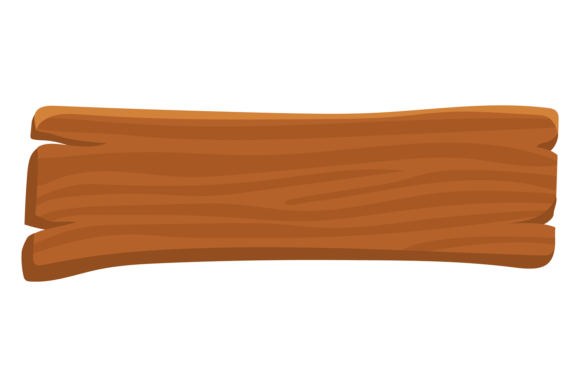
Wooden Signboard Game Menu Element for Car-Themed Projects
The Wooden Signboard Game Menu Element Car is a versatile digital asset designed for creators working on car-themed games, educational tools, or interactive media. This cartoon-style timber signboard, available in EPS, JPG, SVG, and transparent PNG formats, serves as a functional and aesthetic component in digital design workflows. Whether you're building a racing game, a vehicle customization app, or an educational simulation, this element offers flexibility and visual appeal.
Understanding the Element and Its Role
This asset typically features a stylized wooden signboard with space for text or icons, often used as a menu interface in game design. The car motif ties it directly to automotive themes, making it ideal for game menus, level selection screens, or interactive dashboards. It's not limited to games—it also works well in marketing materials, educational apps, or branding visuals where a rustic or cartoon aesthetic aligns with the project's tone.
Its value lies in its ability to enhance user experience while reducing design time. Instead of building a menu interface from scratch, designers can integrate this ready-made element and customize it to match their project's branding and functionality needs.
How It Fits Into Different Stages of a Project
In the planning phase, the Wooden Signboard Game Menu Element Car can be included in mockups to visualize how the interface will look and function. This helps stakeholders understand the design direction and make early decisions about layout, color scheme, and typography.
During the design and development phase, the element can be imported into graphic design tools like Adobe Illustrator or Figma for customization. Developers can extract the SVG or PNG versions for use in game engines like Unity or Unreal Engine, or for web-based applications using HTML5 and CSS.
In the testing phase, the element can be adjusted for usability—ensuring buttons are clearly labeled, touch zones are appropriately sized, and the overall interface is intuitive. Its transparent background and scalable vector format make it easy to tweak without quality loss.
After launch, the signboard can be reused across promotional materials, social media assets, or downloadable content packs, ensuring brand consistency and reducing the need for new visual assets.
Integration with Other Tools and Workflows
This element works seamlessly with a range of design and development tools. For visual designers, it integrates with Adobe Creative Cloud, Affinity Designer, and Figma. Developers can import it into game engines such as Unity, Godot, or Construct 3, where it can be animated or made interactive using scripting.
For web and mobile app projects, the SVG format allows for responsive design, while the transparent PNG version ensures clean compositing over backgrounds. If used in a marketing or branding context, it can be layered into presentations, social media templates, or printed materials using tools like Canva, PowerPoint, or InDesign.
Collaboration is also streamlined. Designers can share the file with developers or clients, knowing that the asset is scalable, editable, and compatible across platforms. This reduces friction in cross-disciplinary workflows and supports faster iteration cycles.
Practical Implementation Tips
- Customize with Branding: Use the signboard as a base layer and overlay your brand colors, fonts, or logo to align with existing visual identity.
- Use for Multiple Purposes: Beyond menus, it can serve as a backdrop for leaderboards, pause screens, or tutorial pages within a game or app.
- Optimize for Performance: For game development, compress PNG files or use SVG where possible to reduce load times without sacrificing quality.
- Ensure Accessibility: When adding text, choose fonts that are easy to read and ensure sufficient contrast against the wooden texture.
- Layer with Other Assets: Combine it with other UI elements like buttons, icons, or progress bars to create a cohesive interface.
Workflow Example: Game Development
Imagine you're developing a car racing game for mobile devices. You're at the stage where the core mechanics are functional, but the UI needs to be built. You download the Wooden Signboard Game Menu Element Car in SVG format and import it into your design tool.
You adjust the colors to match your game’s palette, add placeholder buttons for “Start Race,” “Settings,” and “Leaderboard,” and export the final design as a PNG with transparency. This image is then integrated into Unity, where you assign click actions to each button using C# scripts.
Later, during testing, you realize that the buttons are too small on larger screens. You return to the design file, scale the signboard appropriately, and re-export it. Because the original is vector-based, no quality is lost, and the updated asset integrates smoothly into the build.
Once the game launches, you repurpose the same signboard design for a promotional banner on your website and a social media post, maintaining a consistent visual language across all touchpoints.
Considerations for Long-Term Use
When incorporating the Wooden Signboard Game Menu Element Car into your work, think beyond the immediate project. Licensing is important—ensure that the asset is cleared for both personal and commercial use, and check if it allows for modification and redistribution if needed.
Organize your digital assets carefully. Save the original file in a dedicated folder with version notes, so future updates are easy to implement. If you're part of a team, use cloud storage with version control or a digital asset management system to keep everyone aligned.
As your brand or project evolves, revisit the use of this element to ensure it still fits the tone and direction. You may find that a slight tweak in color or layout keeps the asset relevant for years to come.
Conclusion
The Wooden Signboard Game Menu Element Car is more than a decorative graphic—it's a functional component that streamlines design workflows, enhances user experience, and supports long-term project consistency. Whether you're a solo creator or part of a multidisciplinary team, integrating this element can save time, reduce design complexity, and contribute to a polished final product.
By understanding its role in the broader process—planning, implementation, testing, and maintenance—you can make the most of this asset across multiple platforms and use cases. With thoughtful customization and strategic reuse, it becomes a reliable part of your creative toolkit.