Evaluating Vintage Card Game Roaring Twenties PNG for Creative Projects
The intersection of historical aesthetics and modern digital crafting has created a significant demand for specialized graphical assets. Among these, the Vintage Card Game Roaring Twenties PNG stands out as a niche resource for designers and hobbyists focusing on 1920s nostalgia, Art Deco themes, and retro gaming motifs. When evaluating this specific type of digital asset, it is essential to look beyond the visual appeal and understand the technical specifications, practical applications, and limitations inherent in the file format. This assessment helps creators determine if this particular asset aligns with their project requirements and production capabilities.
Defining the Asset and Historical Context
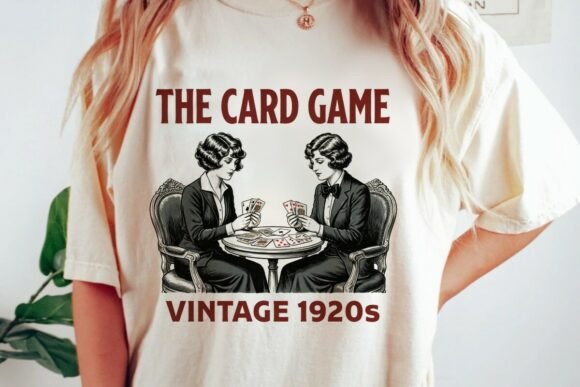
A Vintage Card Game Roaring Twenties PNG is a digital image file that captures the distinct visual language of the 1920s era, specifically referencing playing cards, tarot decks, or parlor games popular during the Jazz Age. The design typically features geometric patterns, gold foil textures, muted color palettes, and typography characteristic of the Art Deco movement. Unlike standard JPEGs, this asset is delivered as a Portable Network Graphic (PNG) with a transparent background. This transparency is the defining functional feature, allowing the intricate card game imagery to be layered over other backgrounds without unsightly white boxes or jagged edges.
The "Roaring Twenties" designation implies more than just an age; it suggests a specific cultural aesthetic involving flapper culture, speakeasies, and the golden age of illustration. For researchers and designers, accuracy matters. A high-quality asset in this category should reflect authentic period details rather than generic retro stylization. Understanding this distinction is vital when selecting graphics for projects where historical fidelity contributes to the overall value and authenticity of the final product.
Technical Specifications and Quality Standards
When acquiring a Vintage Card Game Roaring Twenties PNG, the technical deliverables are standardized to ensure compatibility with both digital and physical media. The primary specification to verify is the resolution. Files designated at 300dpi (dots per inch) are the industry standard for print quality. This density ensures that when the image is transferred to physical substrates like paper, fabric, or ceramic, the lines remain crisp and the colors do not appear pixelated. Lower resolution files may suffice for web use but often fail in professional crafting applications.
The inclusion of a transparent background is equally critical for workflow efficiency. In vector-based design software or cutting machine interfaces, transparency allows for precise isolation of the subject matter. This eliminates the need for manual masking or background removal, which can be time-consuming and prone to error, especially with complex vintage illustrations containing fine lines or distressed textures. Receiving exactly one PNG file implies a focused, singular asset rather than a bundle, suggesting the user is purchasing a specific element for a targeted application rather than a broad collection.
Compatibility with Cutting Machines and Print Media
For users of Cricut, Silhouette, and similar electronic cutting machines, the suitability of a Vintage Card Game Roaring Twenties PNG depends heavily on line clarity and contrast. These machines rely on detecting edges to create cut paths. High-contrast vintage designs generally perform well, but highly detailed shading or low-contrast gradients can sometimes confuse optical sensors or result in fragile cut pieces. Before committing to this asset for vinyl or cardstock cutting, it is advisable to test the trace function in your specific software to ensure the level of detail translates effectively to a physical cut line.
Beyond cutting, the 300dpi resolution makes this asset appropriate for sublimation printing on mugs, t-shirts, and bags. Sublimation requires high-fidelity source material because the ink permeates the substrate fibers; any digital artifacts in the source file will be permanently embedded in the final product. The transparent nature of the PNG also facilitates seamless integration into composite designs, such as combining the card game graphic with textured paper backgrounds or solid color fields for framed artwork and greeting cards.
Benefits of Using Specialized Vintage Assets
- Time Efficiency: Sourcing a pre-made, high-resolution PNG eliminates hours of illustration or restoration work required to achieve an authentic 1920s look.
- Layering Flexibility: Transparent backgrounds allow for non-destructive editing and easy integration into existing design templates.
- Print Readiness: 300dpi specifications reduce the risk of production errors and wasted materials due to poor image quality.
- Niche Appeal: Specific thematic assets like Roaring Twenties card games cater to specialized markets that generic stock photos cannot address.
Tradeoffs and Practical Considerations
While a Vintage Card Game Roaring Twenties PNG offers significant advantages, there are tradeoffs to consider. As a raster image, it is composed of pixels rather than mathematical vectors. This means it has a maximum size limit. Scaling the image beyond its native dimensions will result in quality loss, regardless of the 300dpi rating. If your project requires a billboard-sized banner or extensive resizing, a vector alternative (SVG/EPS) would be superior. Users must verify the pixel dimensions of the PNG before purchase to ensure it meets the minimum size requirements for their intended output.
Additionally, single-file purchases lack variety. If a project requires multiple coordinating elements—such as matching borders, backs of cards, or complementary icons—buying individual PNGs can become cost-prohibitive and visually inconsistent compared to purchasing a cohesive kit. Furthermore, licensing terms vary significantly between sellers. Some PNGs are restricted to personal use only, while others allow for commercial application. Creators intending to sell products featuring this graphic must rigorously verify the license to avoid intellectual property infringement.
Situational Fit: When to Choose This Asset
This specific asset type is a strong fit for creators working on medium-scale print projects where the aesthetic is paramount and the size requirements are known. It is ideal for:
- Themed Event Stationery: Invitations, place cards, and menus for Gatsby-themed weddings or parties where authentic period visuals enhance the atmosphere.
- Merchandise Design: Tote bags, apparel, and drinkware targeting enthusiasts of vintage history or classic literature.
- Digital Scrapbooking: Adding focal points to digital layouts without needing to mask out backgrounds manually.
- Small Business Branding: Creating limited-edition packaging or stickers for businesses with a retro or antique brand identity.
When to Consider Alternatives
Despite its utility, the Vintage Card Game Roaring Twenties PNG is not universally applicable. Alternatives should be considered in the following scenarios:
- Large Format Printing: For signage or wall murals exceeding the pixel dimensions of the PNG, seek vector files or ultra-high-resolution scans.
- Extensive Customization: If you need to change individual colors, move separate elements, or alter the composition, a layered PSD or editable vector file is necessary. A flattened PNG does not allow for component-level editing.
- Budget-Conscious Bulk Projects: If designing a full deck of cards or a comprehensive product line, individual PNGs are inefficient. Look for bundles or subscription services offering cohesive asset libraries.
- Web-Only Applications: For websites where load speed is critical, a 300dpi PNG may be unnecessarily large. Optimized WebP or SVG formats offer better performance for digital-only displays.
Making an Informed Decision
Selecting a Vintage Card Game Roaring Twenties PNG requires balancing aesthetic desires with technical realities. The decision should hinge on three factors: output size, editing needs, and end-use licensing. Verify that the 300dpi resolution supports your largest intended print dimension. Confirm that the transparent background integrates cleanly with your chosen substrate or digital canvas. Finally, ensure the licensing permits your specific commercial or personal goals. By approaching the selection process with these criteria in mind, creators can leverage this specialized asset effectively, ensuring that the charm of the Roaring Twenties translates successfully from digital file to finished creation.