Cute Game Console with Memories Cartoon: A Practical Guide for Designers and Creators
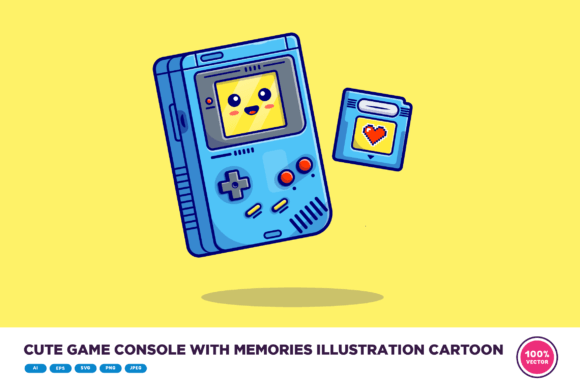
The nostalgia of retro gaming has evolved into a powerful visual language in modern design. When creators search for a Cute Game Console with Memories Cartoon, they are rarely looking for a technical schematic of hardware. Instead, they seek an emotional connection wrapped in a flat cartoon style that communicates playfulness, history, and comfort. This specific type of recreation technology icon concept serves as a bridge between adult nostalgia and contemporary aesthetic trends. Whether you are designing merchandise for a print-on-demand shop, creating educational materials about digital history, or branding a gaming blog, understanding how to properly utilize this vector illustration is just as important as the artwork itself.
Many designers and entrepreneurs overlook the technical and legal nuances of premium vectors, leading to wasted time, poor print quality, or licensing headaches. By addressing common pitfalls early, you can ensure this adorable cartoon illustration enhances your project rather than complicating it.
Understanding the Appeal and Application
Before downloading or purchasing, it helps to articulate why this specific asset matters. The Cute Gameboy Cartoon Vector Icon Illustration works because it simplifies complex technology into approachable shapes. In marketing and product design, this reduction lowers cognitive load for the viewer. It signals "fun" and "safe" instantly. For adults aged 20 to 50, this imagery triggers positive memories without the baggage of obsolete technical specs.
However, a frequent mistake is treating this asset as generic clip art. Because it is isolated and premium, it should be treated as a focal point or a deliberate supporting element. Using it merely to fill white space devalues the nostalgic weight it carries. Successful applications integrate the console’s color palette and line weight into the broader design system, ensuring the "memories" aspect feels intentional rather than accidental.
Common Mistakes in File Selection and Format Usage
One of the most significant errors beginners make is ignoring the specific file formats included in the package. The asset typically comes with AI, EPS, JPEG, PNG, and SVG files. Choosing the wrong format for your medium is a primary cause of project failure.
The Raster vs. Vector Confusion
Never use the JPEG or PNG versions for professional printing on shirts, mugs, or large-format stickers. While these raster files are excellent for web mockups or digital cards, they have fixed resolutions. Scaling them up results in pixelation and blurriness that ruins the crisp, flat cartoon style. Always default to the AI, EPS, or SVG files for any physical production. These vector formats are mathematically defined, meaning they remain perfectly sharp whether printed on a laptop sticker or a billboard.
Overlooking Transparent Backgrounds
For merchandise like t-shirts and mugs, the background must be transparent. A common oversight is placing a white-background JPEG onto a colored shirt, resulting in an unsightly white box around the cute game console. Always verify you are using the PNG with a transparent background for digital overlays, or better yet, use the vector file where the background layer can be toggled off entirely. This ensures the illustration blends seamlessly with your substrate color.
Evaluating Editability and Color Management
The promise of "easily editable colors" is a major selling point, but it often leads to frustration when users lack the right software or knowledge. A practical warning: having an AI file does not automatically grant you the ability to edit it if you do not own Adobe Illustrator or a compatible alternative like Affinity Designer or Inkscape.
Color Mode Mismatches
Screen colors (RGB) and print colors (CMYK) behave differently. A vibrant neon pink on your monitor may print as a dull magenta on cotton fabric. Before finalizing your design, convert the vector colors to CMYK if you are producing physical goods. Test print a small sample first. The "cute" aesthetic relies heavily on specific pastel or saturated tones; getting this wrong undermines the entire emotional impact of the recreation technology icon concept.
Layer Organization Assumptions
While the description notes "well organized layers," organization is subjective. What is logical to the original illustrator might be confusing to you. Before committing to a complex edit, take five minutes to explore the layer structure. Rename groups to match your workflow. If you plan to change the screen content or button colors frequently, create your own master template based on the source file. This prevents accidental deletion of essential anchor points and saves hours of rework later.
Licensing and Commercial Viability
Perhaps the most critical area where creators stumble is licensing. Just because a vector is labeled "premium" or available for download does not mean it is free for unrestricted commercial use. Misunderstanding this can lead to cease-and-desist letters or platform bans on sites like Etsy or Redbubble.
- Verify Commercial Rights: Confirm explicitly that the license covers merchandise resale. Some licenses allow for digital use but prohibit physical products.
- Check Modification Requirements: Many standard licenses require you to significantly alter the original artwork before selling it. You cannot simply slap the unmodified Cute Game Console with Memories Cartoon onto a mug and sell it. Adding text, combining elements, or changing colors usually satisfies this requirement, but always read the fine print.
- Avoid Trademark Pitfalls: Even if the vector artist created original art, ensure the design doesn't infringe on existing trademarks. Generic retro consoles are safe; designs that include specific logos or trademarked character likenesses are liabilities.
Practical Checklist Before You Begin
To maximize efficiency and satisfaction, run through this quick evaluation before integrating the illustration into your workflow:
- Define the End Medium: Is this for screens or fabric? This dictates whether you open the SVG/AI or the PNG/JPEG.
- Assess Software Compatibility: Do you have the tools to edit the vector nodes and colors effectively?
- Review License Terms: Does your intended use align with the permitted usage rights?
- Test Scalability: Zoom in to 400% in your vector editor. Are there stray points or broken paths that need cleaning?
- Plan Color Conversion: Have you accounted for the shift from screen brightness to ink absorption?
By approaching the Cute Game Console with Memories Cartoon with technical diligence and respect for intellectual property, you transform a simple graphic into a versatile asset. The goal is to leverage the warmth of retro gaming aesthetics while maintaining professional standards in execution. When used correctly, this recreation technology icon concept does more than decorate; it communicates a shared cultural experience that resonates deeply with a wide demographic, turning casual viewers into engaged customers or readers.